Time:2026-03-31 00:00:00Read:64
Kīlauea volcano on the island of Hawaiʻi is one of the most active volcanoes in the world. In late April 2018, the volcano began showing signs of increased activity. On May 3, 2018, the first fissure appeared, followed by 19 more, bringing the total number of fissures to 20. As images of lava flows and destruction on the island spread widely, the volcanic activity drew significant public attention.
Following this, the U.S. Geological Survey (USGS) and its Hawaiian Volcano Observatory ramped up news and information releases. On May 15, 2018, the USGS raised the alert level from "orange" to "red," indicating that "a major volcanic eruption is imminent or already occurring, or hazardous volcanic activity is suspected on the ground and in the air."
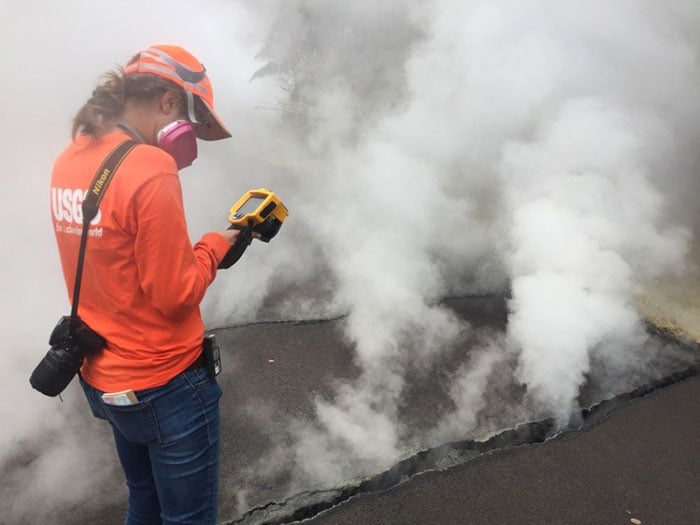
Scientists collect a variety of critical information and data to better understand the ongoing volcanic eruption, including temperature measurements using handheld thermal cameras. They use this information to help make potentially life-saving predictions. There are approximately 169 active volcanoes in the United States and about 1,500 active volcanoes worldwide.
Capturing Thermal Energy at Kīlauea
Most of the monitoring conducted by the USGS relies on instruments installed during periods of inactivity, many of which are temporary. However, when volcanic activity increases, the USGS and other related organizations have the opportunity to obtain key data on the volcano's real-time behavior patterns.
USGS scientists use a variety of aerial (aircraft), orbital (satellite), and handheld sensing instruments—such as thermal cameras—to collect data. Once collected, the data can be analyzed and used to predict future volcanic eruptions.
"There are many advantages to using handheld thermal cameras for measurements," said Steve Lundblad, Chair of the Department of Geology at the University of Hawaiʻi at Hilo. "USGS scientists must be extremely cautious when entering potentially hazardous areas. With a portable thermal camera, they can easily and instantly obtain real-time data on event developments and changes. Other methods of measuring temperature may require additional time to install and retrieve equipment."
For instance, thermocouples must be placed directly on the ground and then removed after measurements are taken. In contrast, thermal cameras provide a non-contact way to quickly measure temperature.
"The USGS’s efforts to collect infrared thermal imaging data are well worth it," Lundblad said. "Because the USGS has been capturing and analyzing data from other volcanic eruptions, they have been able to make accurate predictions about Kīlauea’s movements and behavior. Understanding what the volcano will do next is extremely useful for ensuring public safety."
Ensuring the safety and awareness of surrounding communities during an eruption is one of the most important aspects of successfully managing a volcanic event. In addition to USGS agencies and their observatories, key organizations such as the Hawaiʻi County Civil Defense provide crucial warnings and information, including potential evacuation notices. The USGS also works to ensure the safety of its scientists.
"Decisions about whether to conduct measurements in certain areas are likely made on a case-by-case basis," Lundblad said. "For example, Fissure 17 was extremely active, spewing large lava bombs, making it too dangerous to approach. However, valuable data could still be obtained from relatively stable craters or fissures to help predict the likelihood of further eruptions."
How Does a Thermal Camera Work?
Unlike conventional cameras that capture visible light to produce images, thermal cameras create images by detecting infrared energy emitted by objects, such as the energy radiated by lava flows. Thermal cameras use infrared-sensitive sensors to detect this energy and convert it into thermal images, using different colors to represent temperature variations—such as areas of high heat.
Measuring Thermal Energy from a Distance
The USGS also uses thermal imaging equipment mounted on aircraft and satellites to collect measurements. Whether used up close or from a distance, each method has its ideal applications depending on the specific conditions of the volcano.
While remote thermal imaging avoids the dangers sometimes associated with on-site monitoring of thermal activity, it also has drawbacks, as it is more dependent on favorable weather and atmospheric conditions. For instance, Fissure 20 produced large amounts of volcanic ash, which obstructed visibility for thermal cameras and made measurements unreliable.
Although it is still impossible to determine the exact timing of a volcanic eruption, using thermal cameras to capture valuable data for current and historical reference provides tremendous support to USGS scientists. The more USGS scientists understand how a volcano behaves during both inactive and active periods, the closer they will come to accurately pinpointing the timing of future eruptions.
PREVIOUS:Fabrication Process and Applications of Pressure SensorsNext:No next